
Every hospital, clinic, and healthcare facility requires accurate and well-structured admission forms to ensure safe, compliant, and efficient patient intake. To help medical professionals streamline administrative workflows, we have created 36 professionally designed Hospital Admission Form Templates available in free, editable MS Word format.
Whether you manage a large hospital, a small practice, an emergency department, or a specialty clinic, this page provides ready-to-use admission forms for general patients, maternity and pediatric cases, surgical procedures, special populations, and more. Each template includes essential fields commonly used in real clinical settings, such as medical history, presenting complaints, vitals, diagnosis, treatment plan, consent, and administrative details.
These templates are ideal for:
All forms are designed to be:
Use these templates to improve documentation accuracy, maintain compliance, and save time during patient admissions.
Below you will find all 36 admission form templates, each with a preview image, a short description, and a direct link to the download page. Click on any template to learn more or download the editable Word file.
Admission templates tailored for cardiology, infectious diseases, neurology, pulmonology, orthopedics, oncology, gastroenterology, and nephrology departments. These forms include specialty-specific fields to ensure accurate clinical documentation.
A structured template for recording cardiac symptoms, ECG findings, vitals, and initial diagnostic assessments. Ideal for cardiology units and emergency admissions.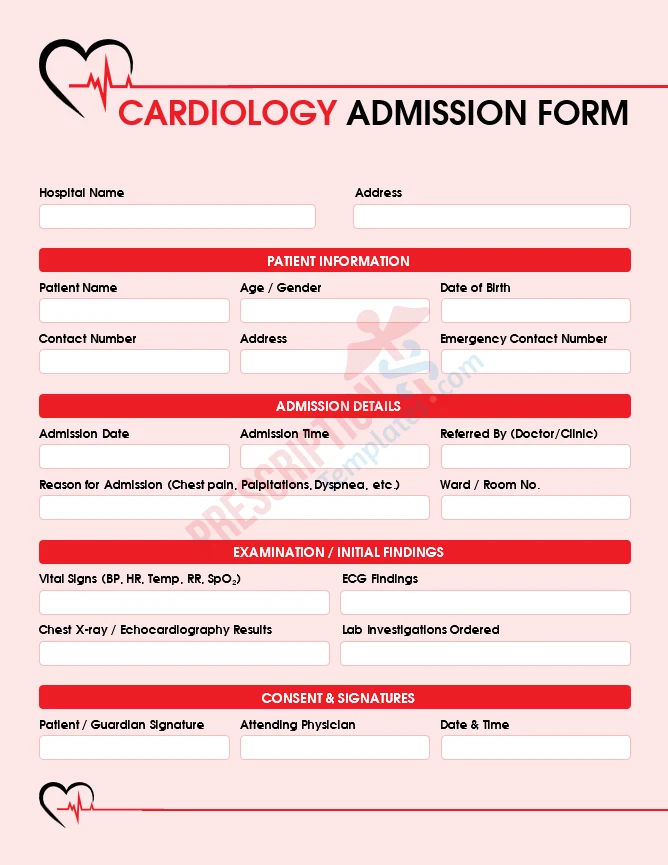
Includes exposure history, symptoms duration, serology, vitals, and isolation planning fields for infectious disease cases.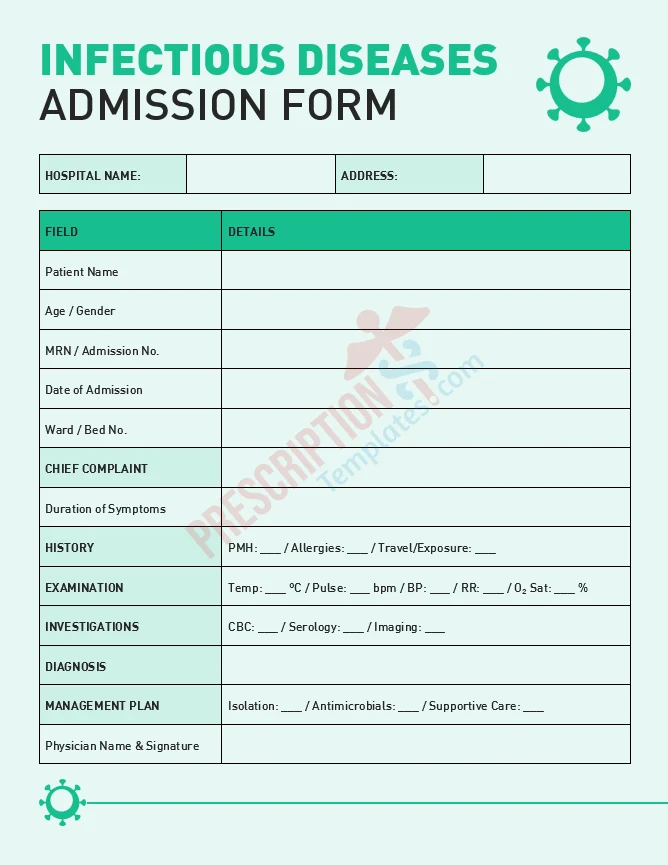
Covers CKD history, dialysis background, renal symptoms, medications, and nephrology-specific treatment planning.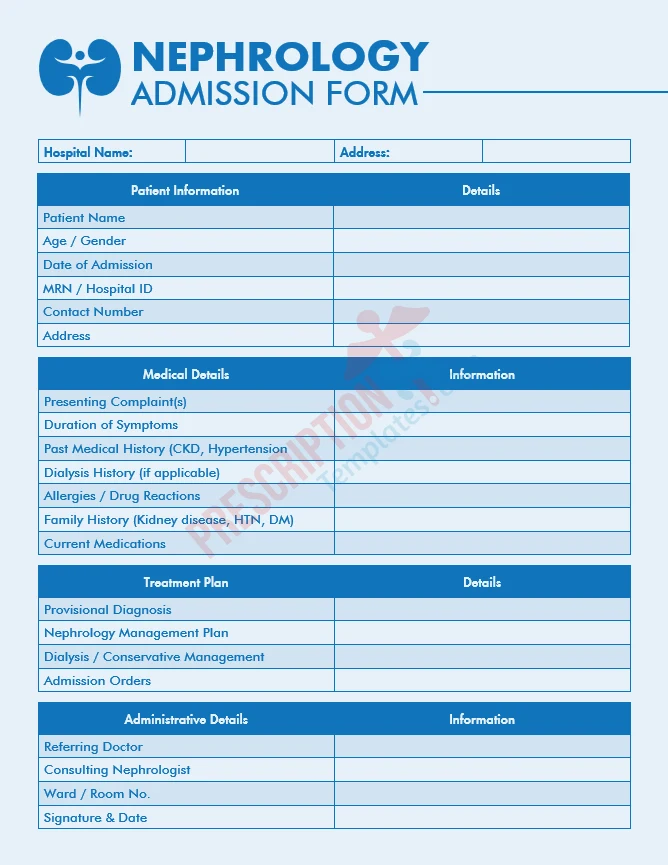
Designed for respiratory admissions, including asthma, COPD, TB history, chest exam findings, and investigation checklists.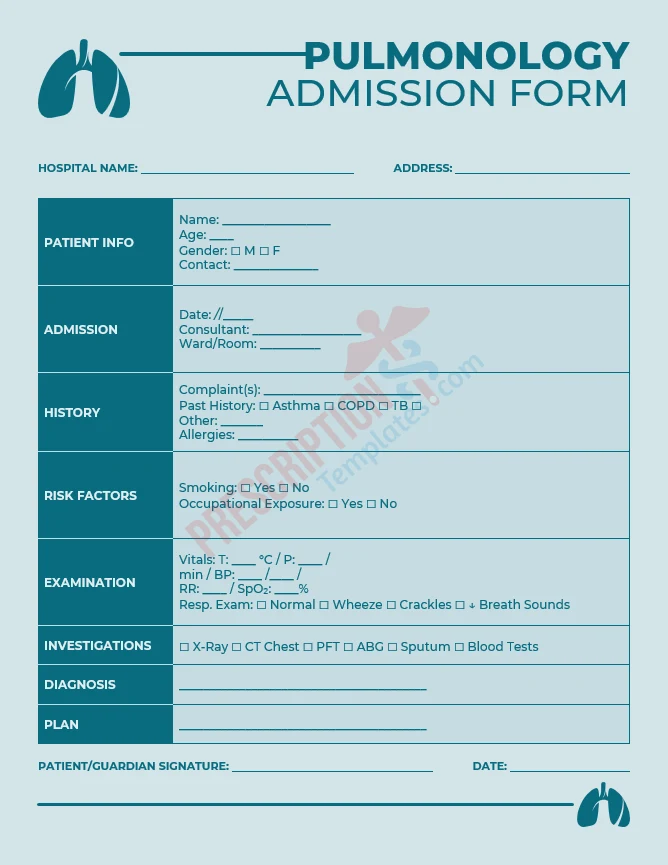
A GI-focused form to document abdominal complaints, GI history, surgical history, and family predispositions.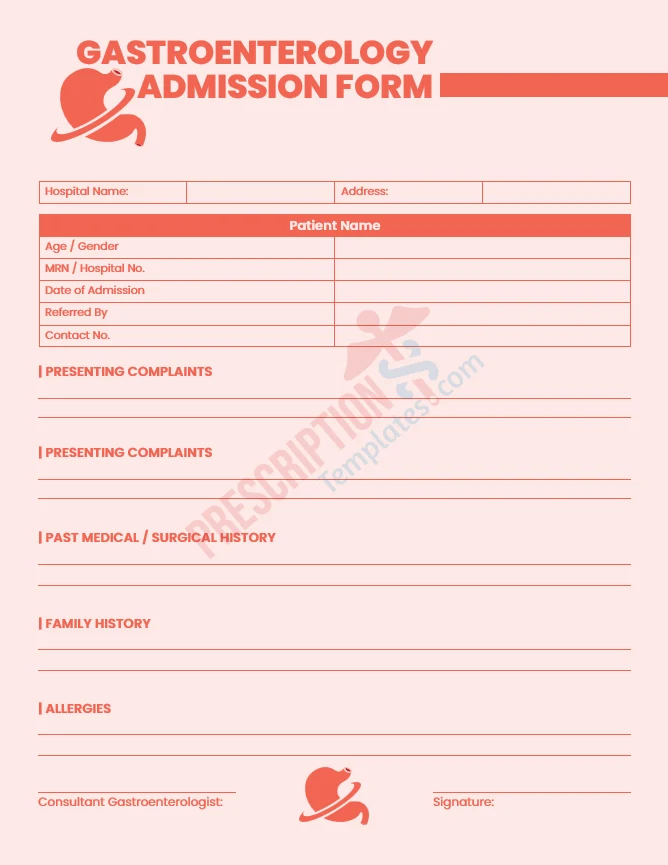
Captures trauma type, injury details, surgical planning, and orthopedic history for acute and elective orthopedic cases.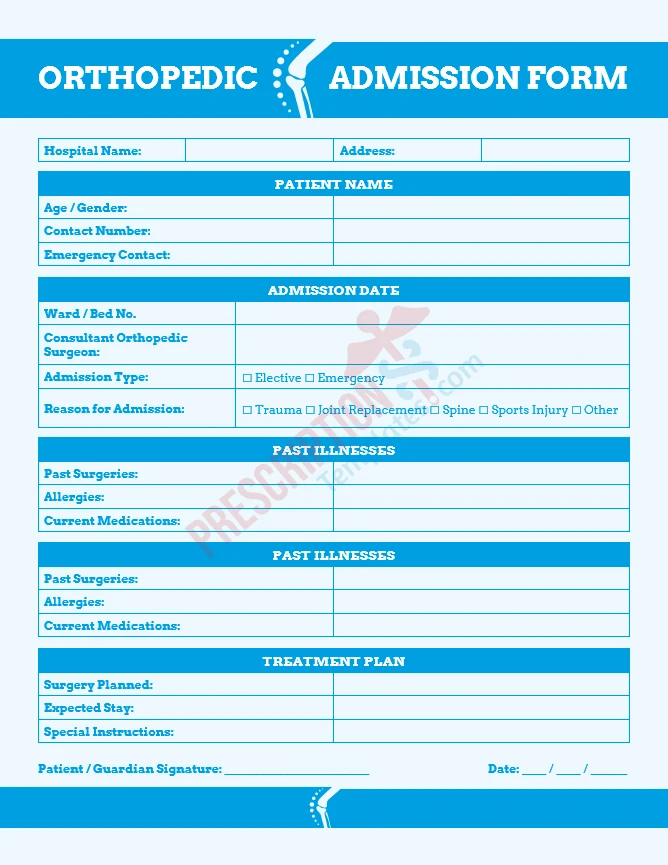
Includes neurological symptom checklists, history sections, and fields for neurological examination and treatment plans.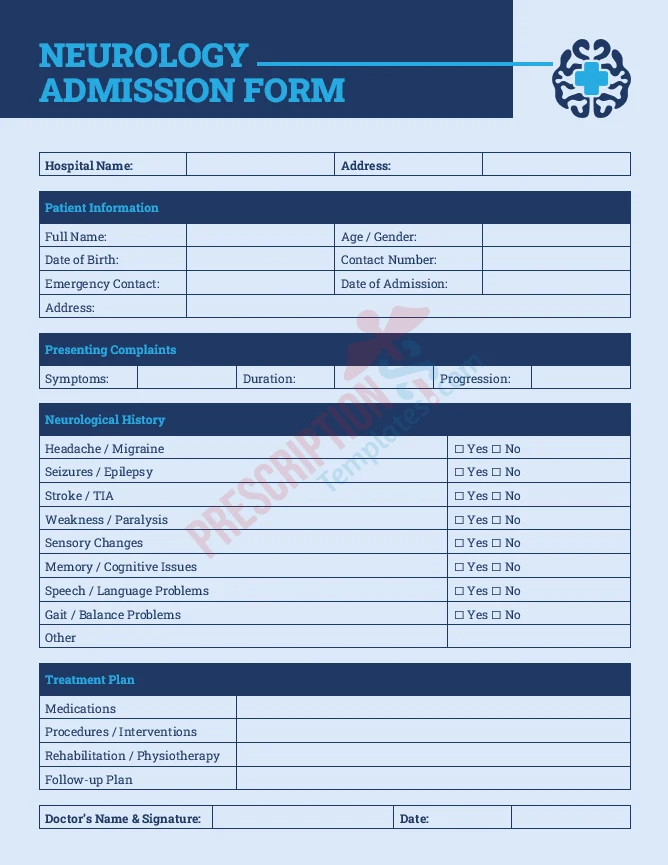
Detailed form for cancer patients, including diagnosis, symptom tracking, investigation history, and treatment planning.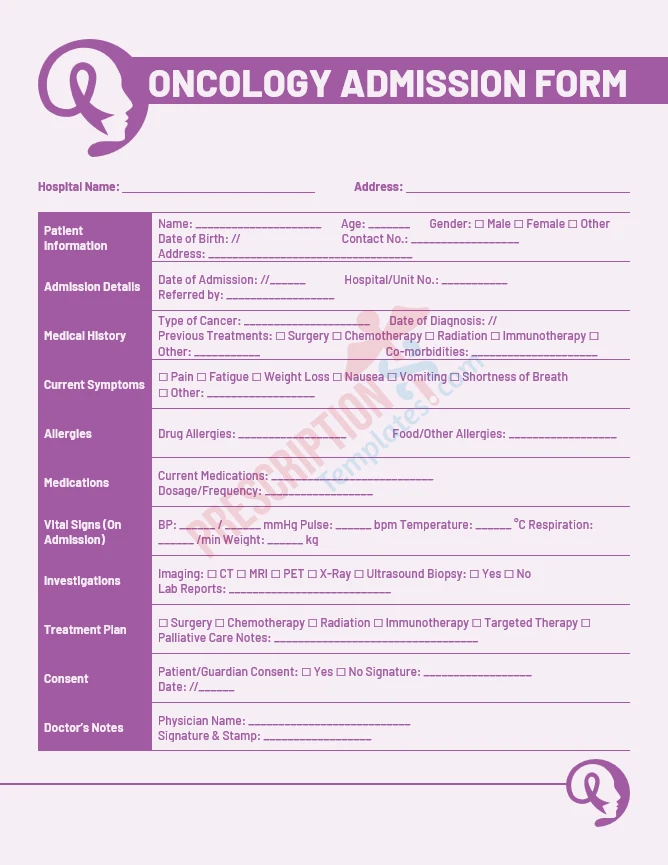
Standard hospital admission forms used for outpatient visits, emergency admissions, inpatient admissions, pre-surgical checklists, ICU admissions, and more. Ideal for hospitals and clinics of all sizes.
Standard OPD admission for documenting personal information, insurance details, medical history, and the reason for visit.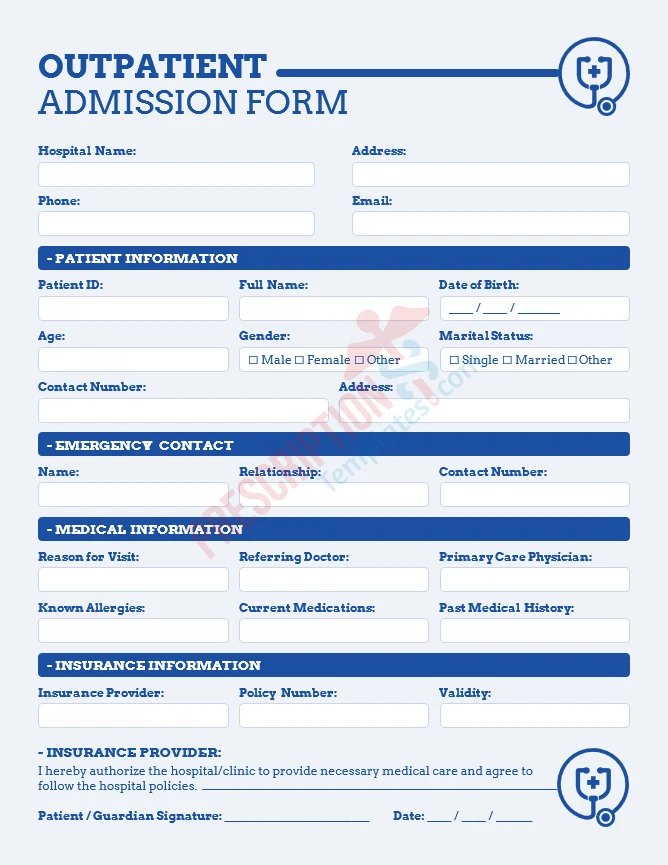
A check-off form to verify identity documents, consent, medical records, fasting instructions, and pre-op assessments.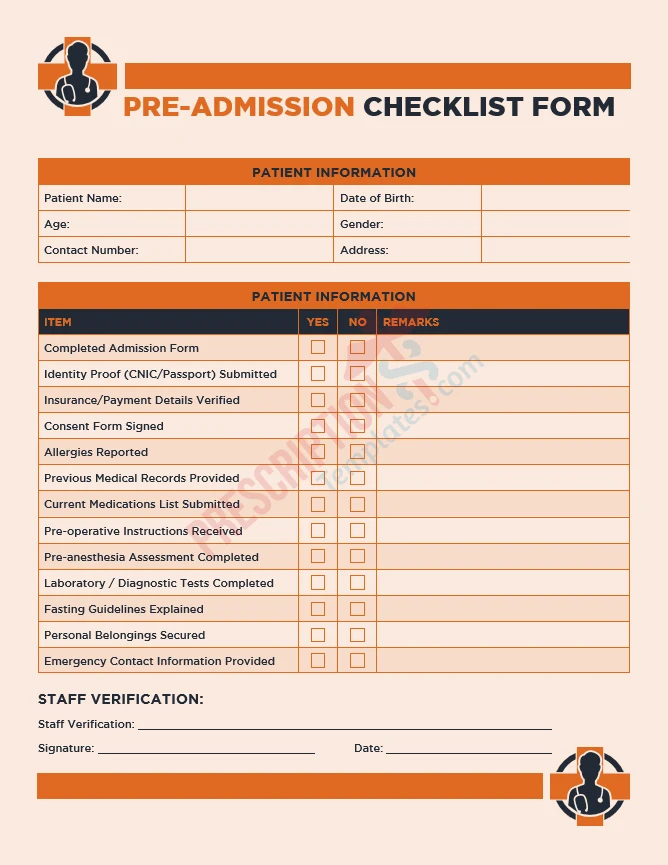
A general consent document explaining patient responsibilities, diagnostic approvals, and financial acknowledgement.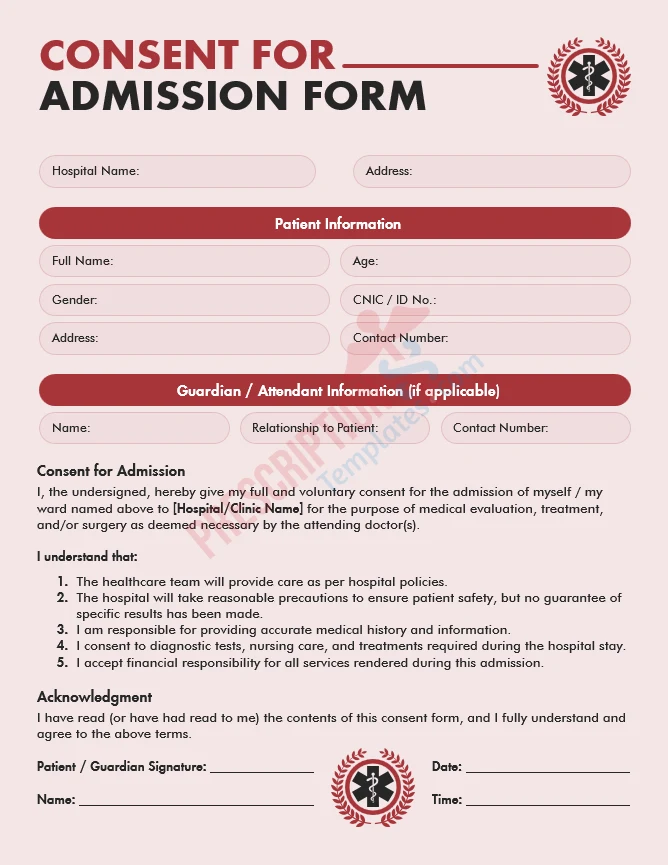
Includes surgery details, anesthesia plan, medical history, and pre-op requirements for elective or scheduled procedures.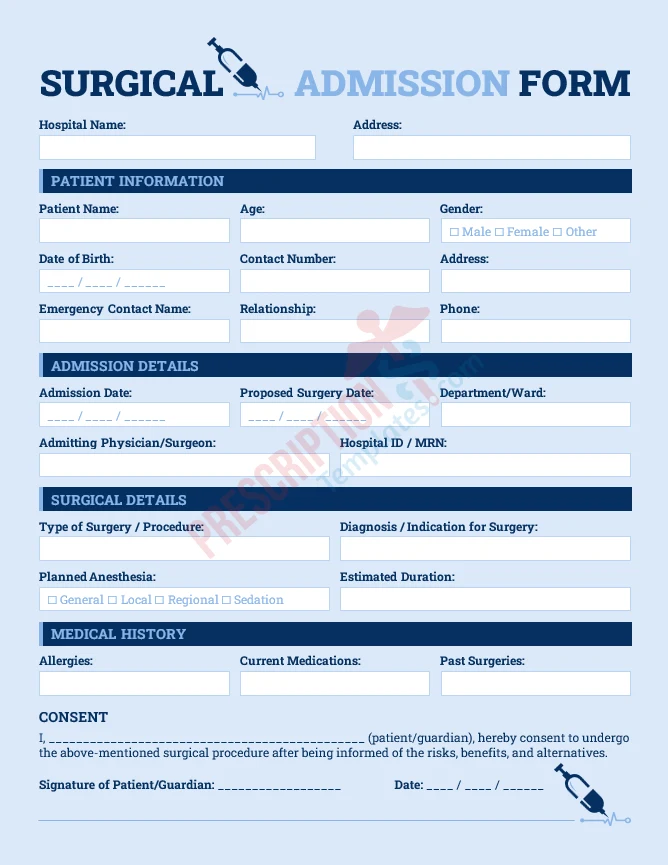
Captures critical care data such as consciousness level, vitals, reason for ICU transfer, and initial diagnosis.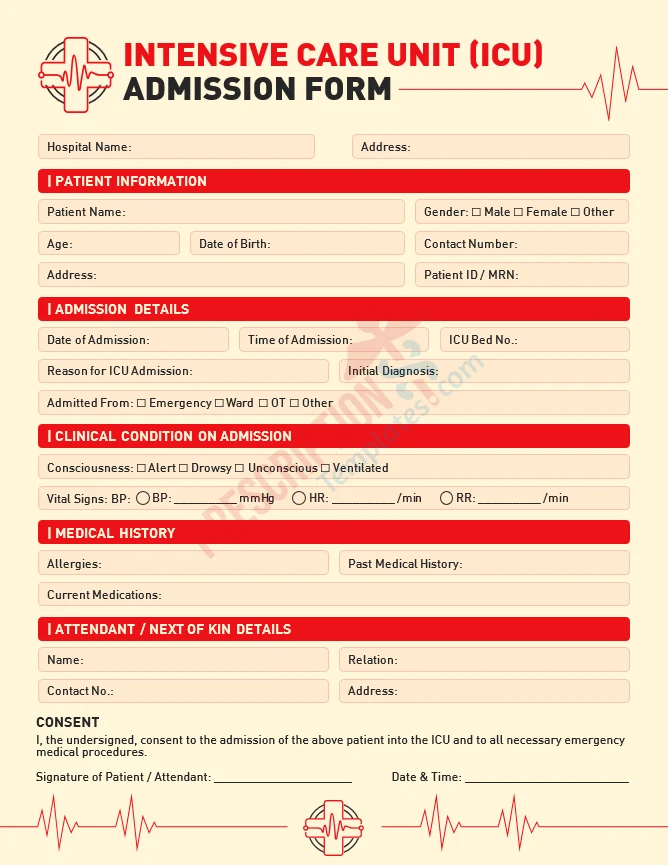
Designed for minor procedures requiring short observation periods and includes treatment plans and consent.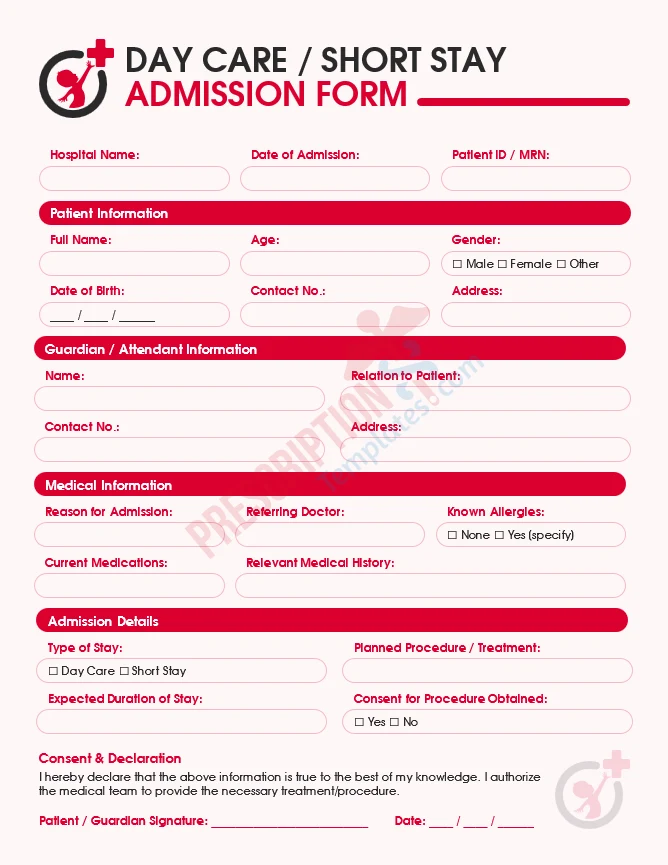
A universal form suitable for most hospital admissions, including demographics, medical history, and consent.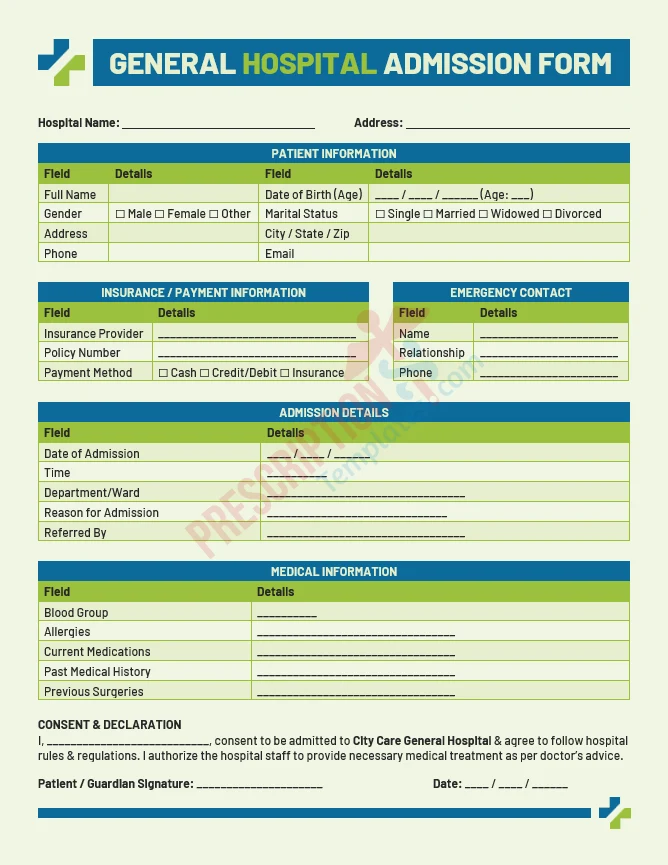
Captures emergency arrival details, mode of arrival, initial diagnosis, and consent for urgent treatment.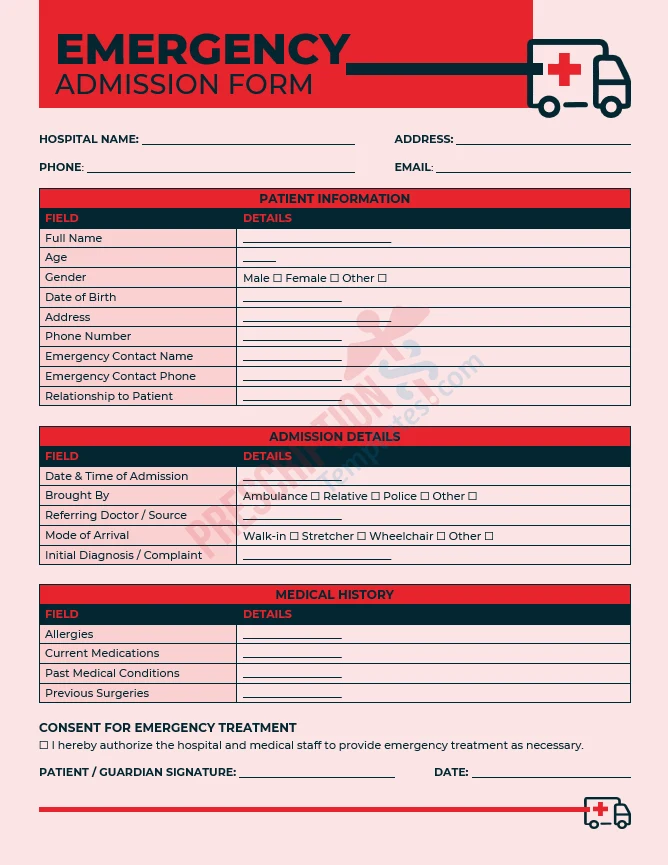
Includes insurance information, medical notes, provisional diagnosis, and consent for inpatient stays.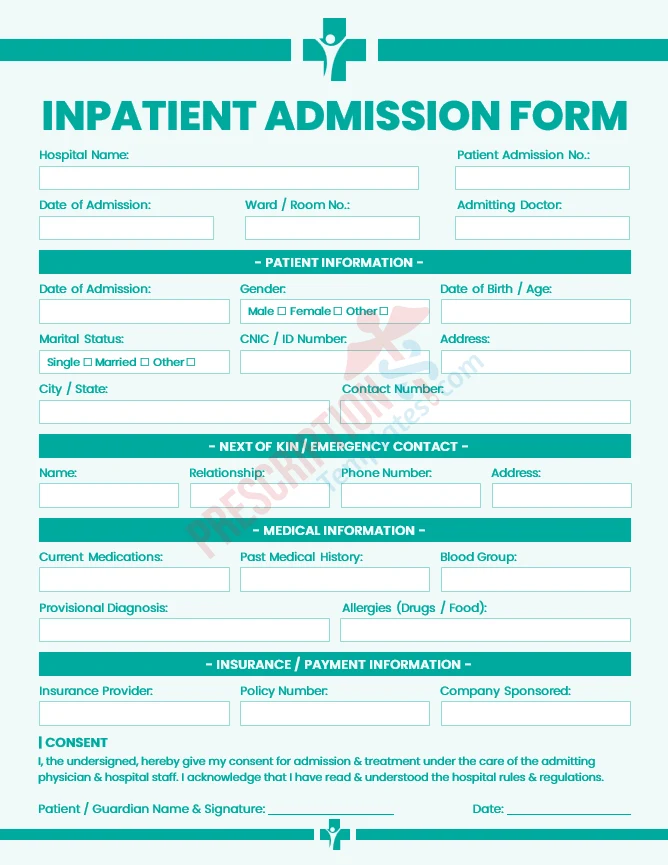
Specialized forms designed for pregnancy care, labor and delivery, maternity admissions, neonatal NICU intakes, and pediatric patients.
Documents risk factors, fetal status, vitals, and planned interventions for high-risk obstetric cases.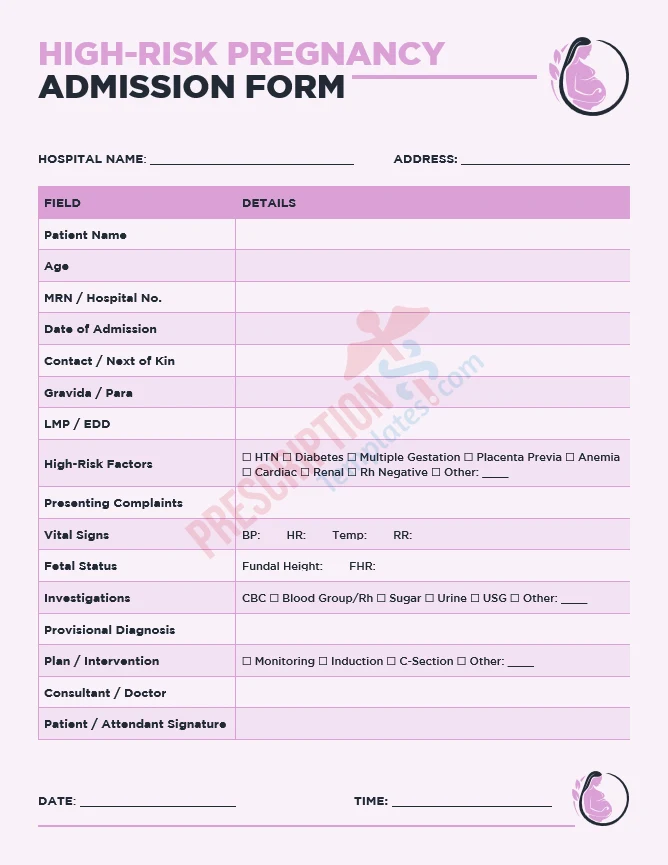
Covers menstrual history, gynecologic conditions, pelvic exam findings, and treatment plans.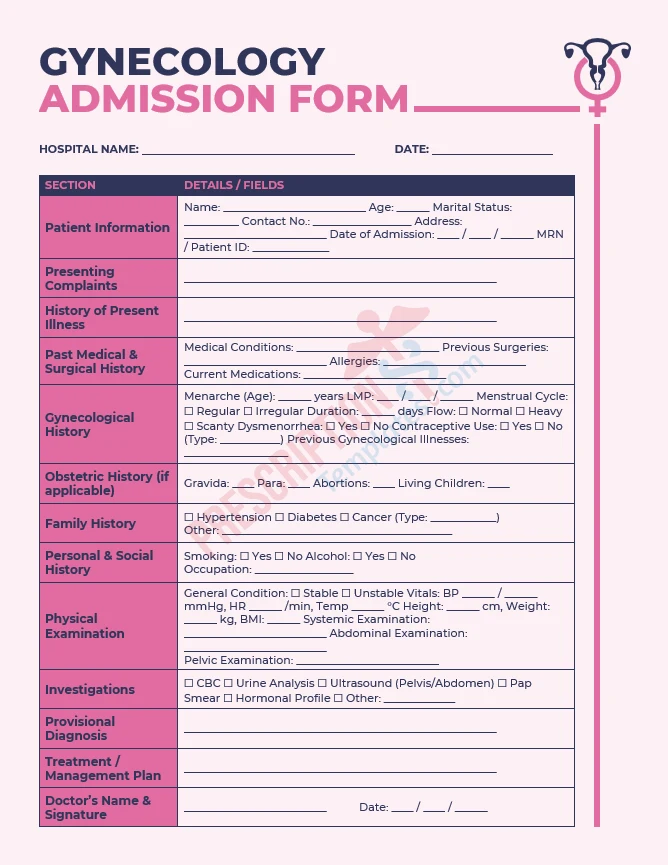
Designed for labor and delivery admissions, including presenting complaints, fetal heart rate, cervical status, and birth planning.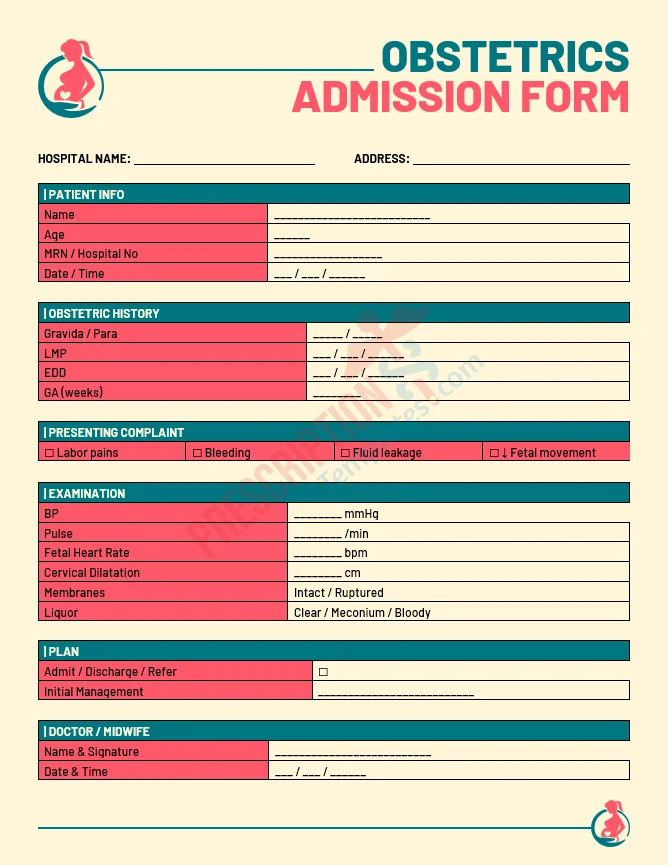
General maternity intake for documenting pregnancy history, medications, complications, and delivery expectations.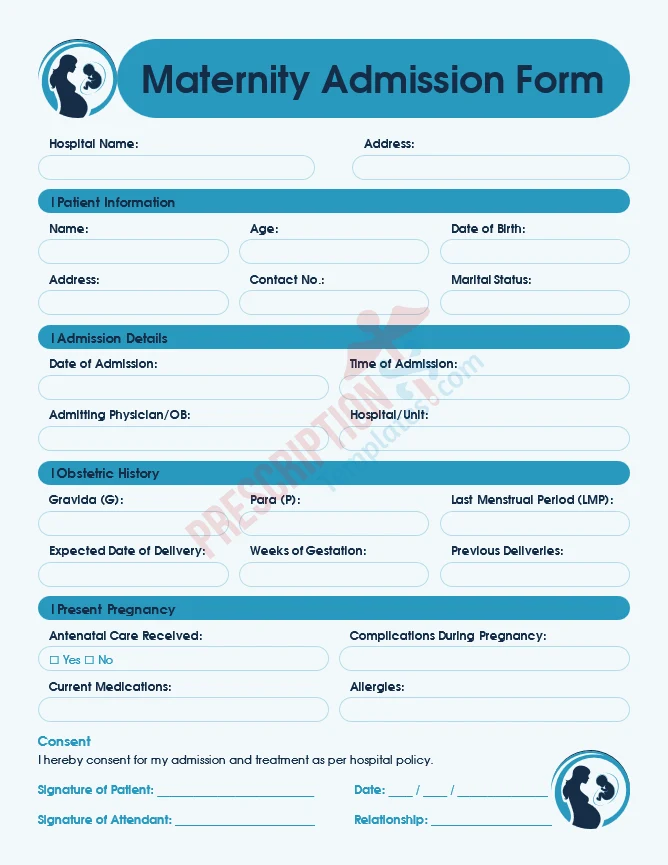
A detailed NICU form capturing Apgar scores, vital signs, treatments, and neonatal conditions.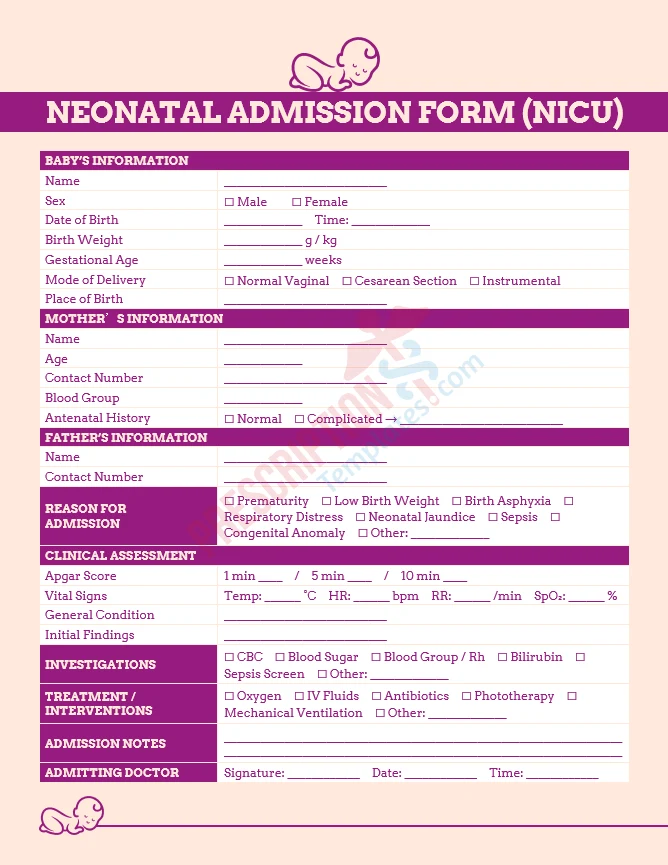
Includes immunization status, family medical history, presenting complaints, and consent for pediatric patients.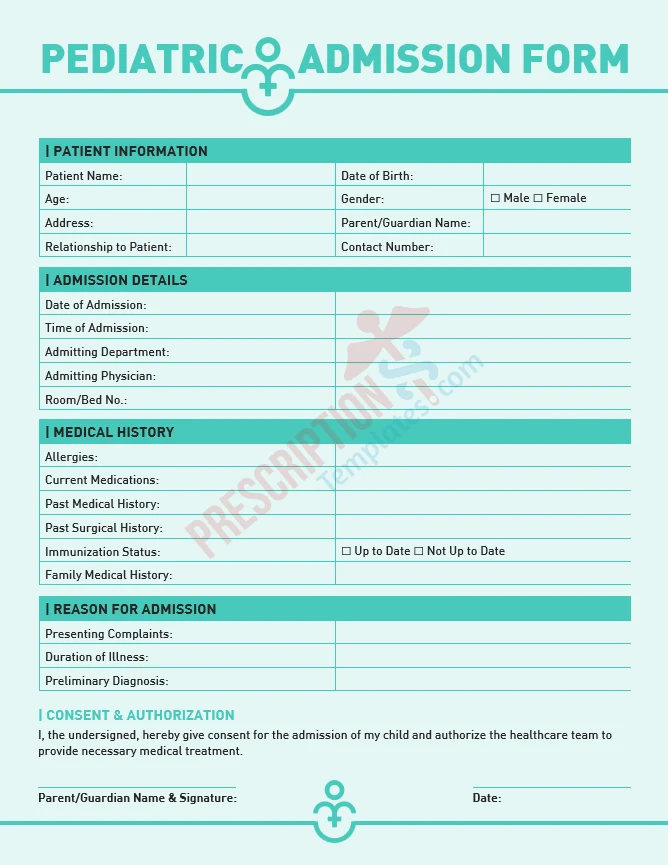
Forms created for specific clinical situations such as elective surgery, trauma cases, burns, transplant admissions, dialysis, isolation/quarantine, post-operative readmissions, and clinical trials.
For scheduled procedures, including surgery type, surgeon details, medical history, and pre-op checklist.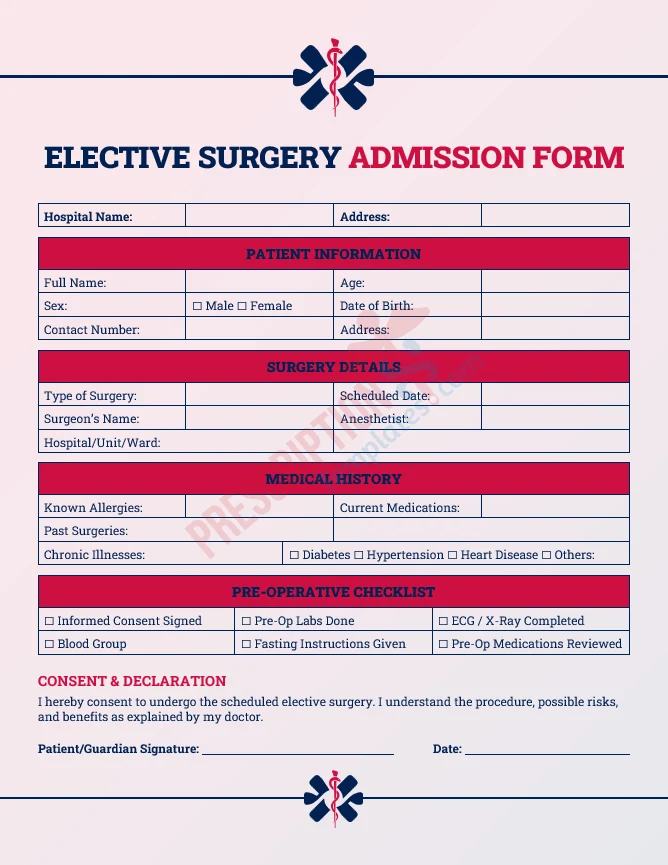
Includes protocol details, study arm, participant ID, and consent date for research enrollment.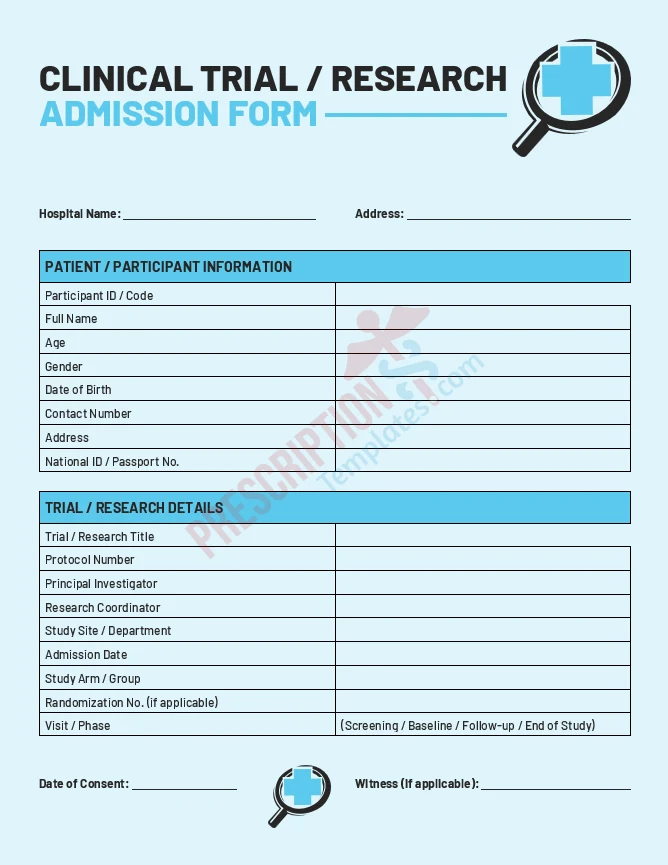
Captures complications, presenting complaints, and treatment plan for patients returning after surgery.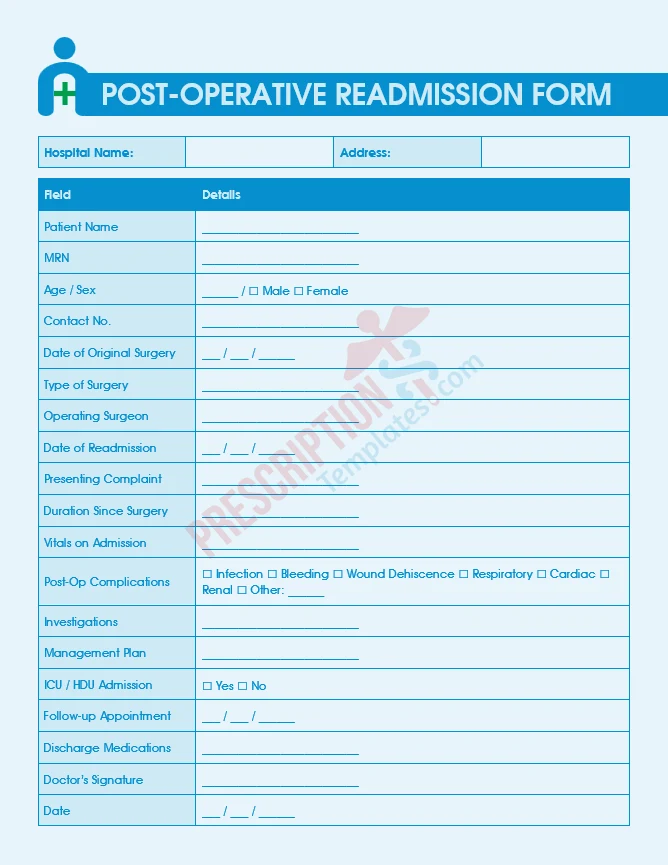
Documents transplant type, donor information, lab markers, and consent status for transplant candidates.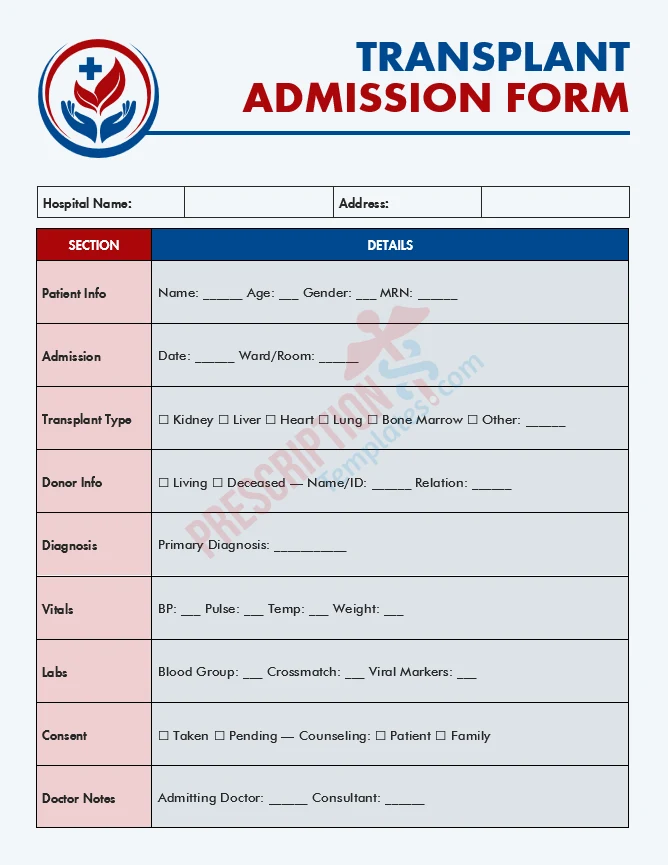
Includes dialysis type, access site, medical history, and consent for dialysis treatment.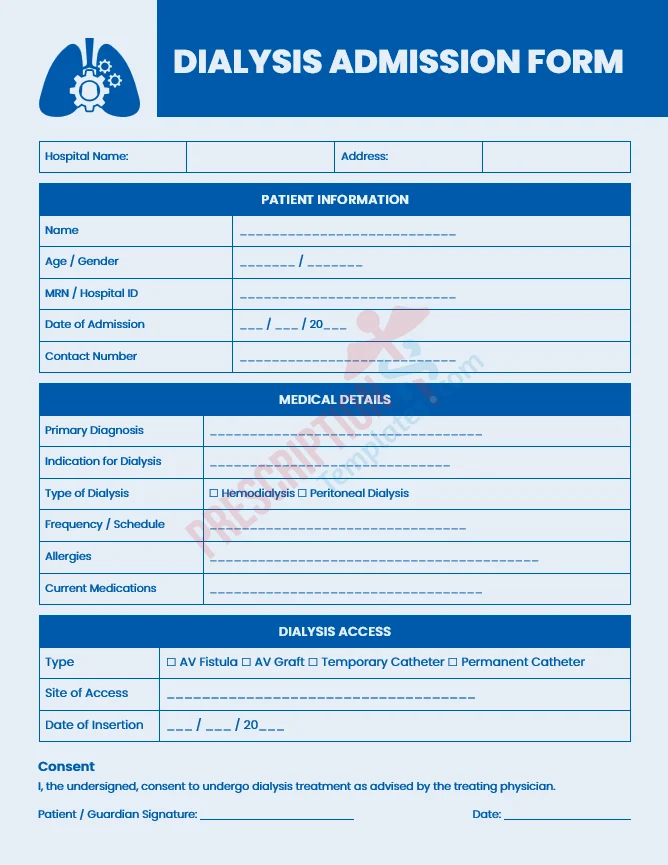
Used for contagious or high-risk infectious patients, including symptoms, exposure history, and precautions.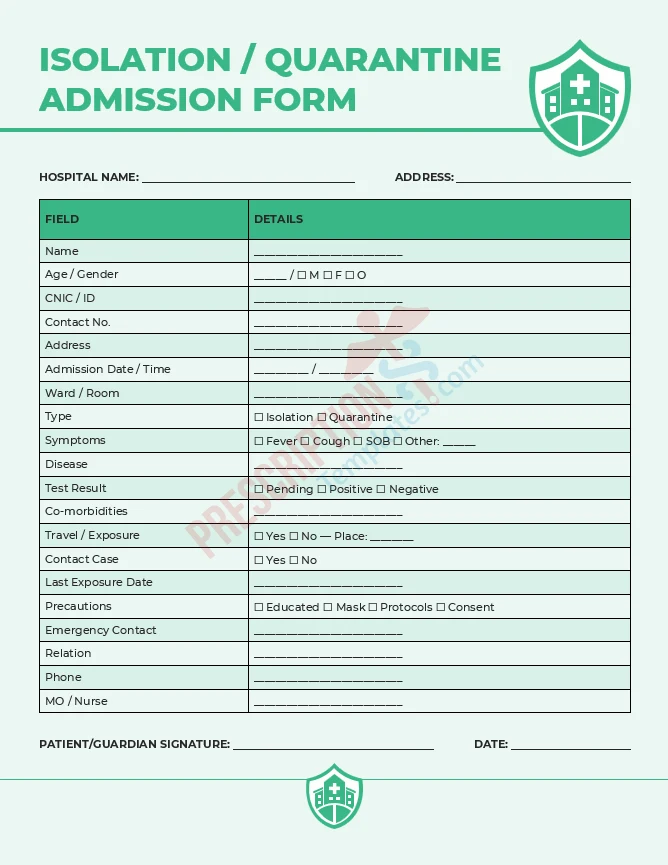
Documents burn cause, severity, associated trauma, and initial assessment for burn patients.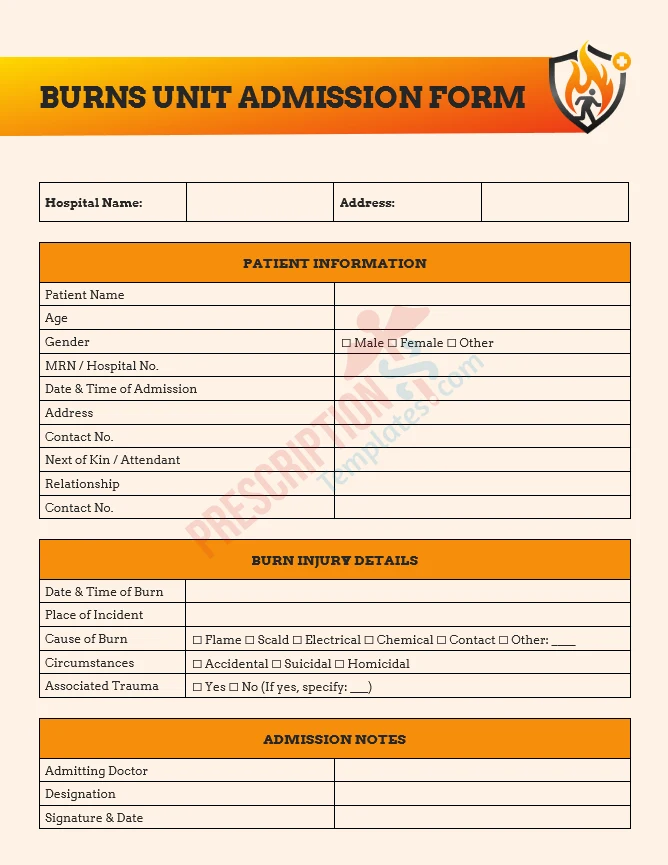
Captures accident details, GCS score, injuries, emergency treatment, and consultant assignment.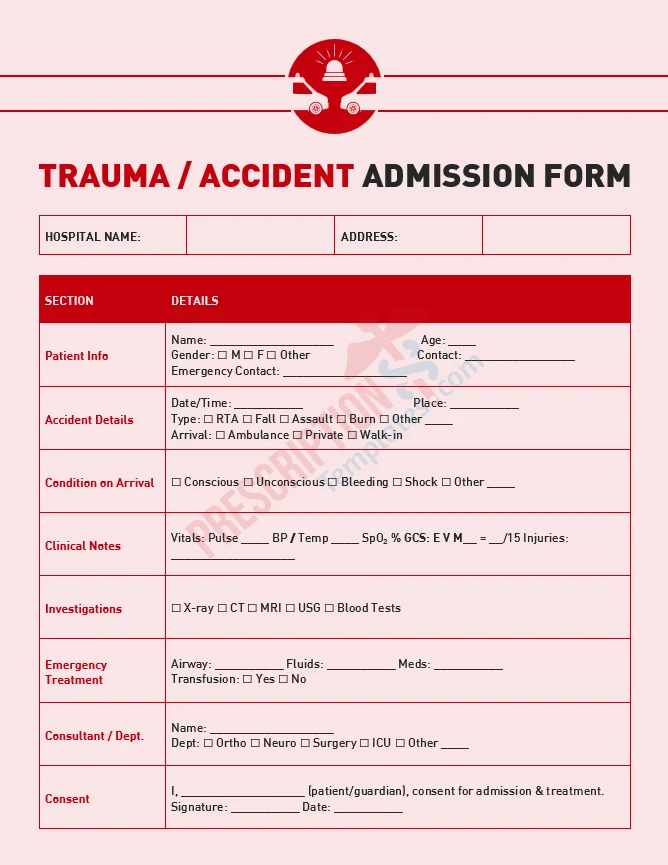
Templates created for populations requiring tailored documentation, including geriatric patients, psychiatric cases, substance-abuse detox admissions, rehabilitation, and hospice/palliative care.
Includes chronic illness history, functional assessments, caregiver details, and aging-specific needs.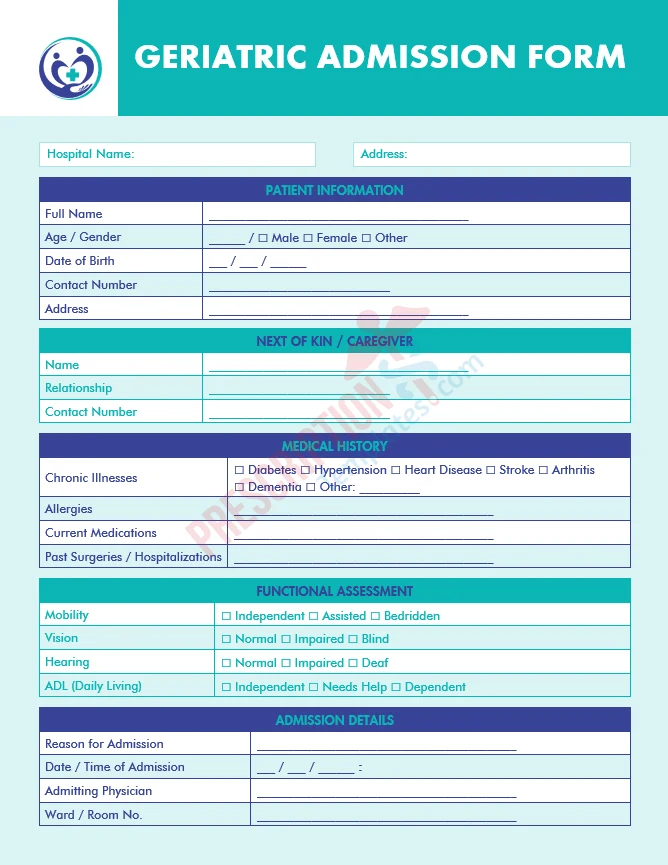
Documents symptoms, comfort needs, advance directives, and preferred care settings.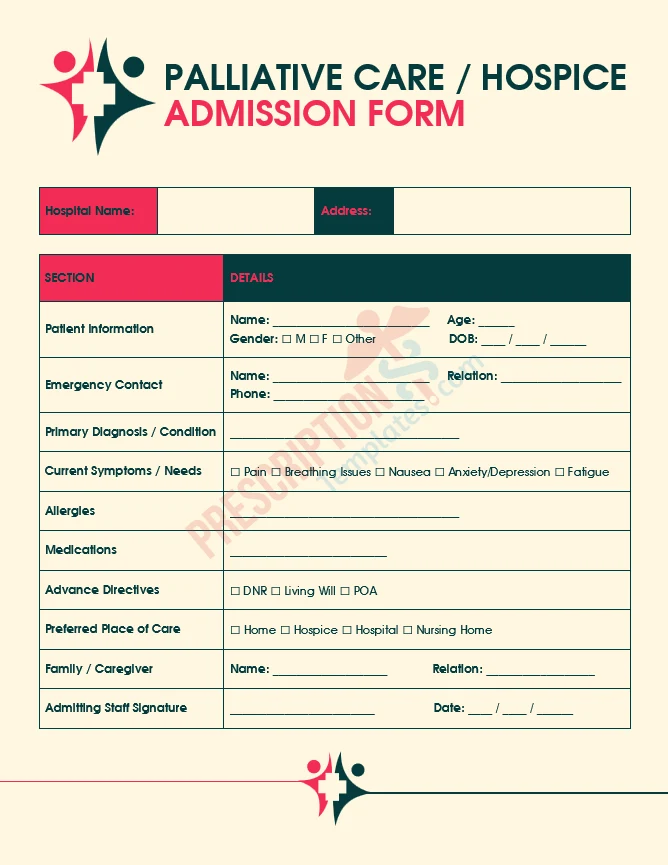
For physical, occupational, or substance-related rehabilitation intake, including goals and history.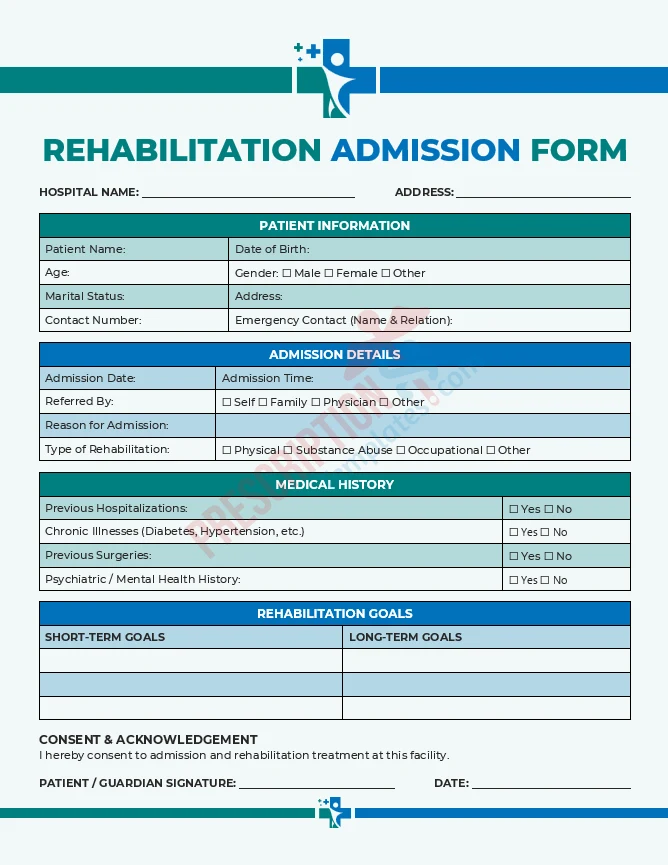
Captures substance history, detox protocol, therapy plans, and voluntary consent.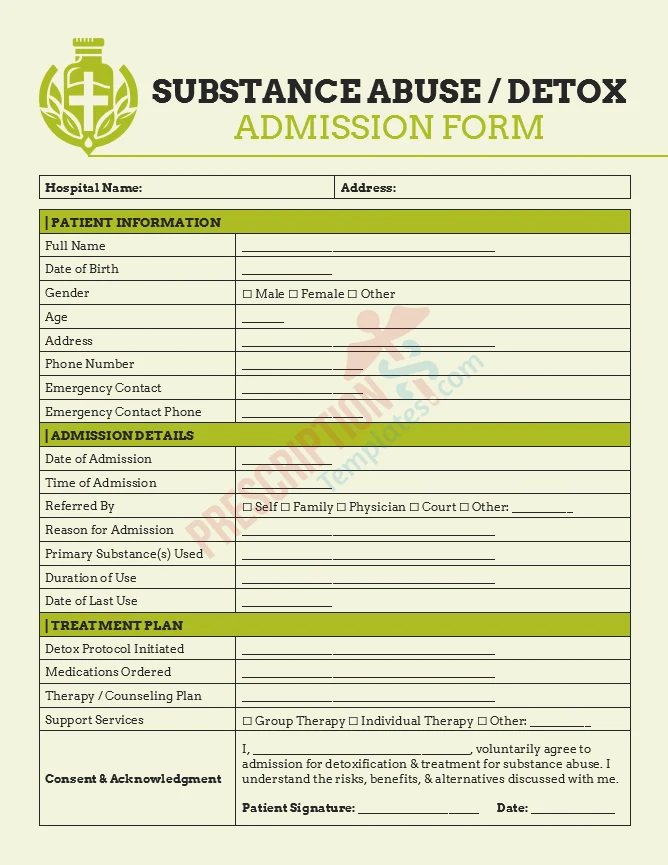
Includes psychiatric history, mental status examination, presenting complaints, and treatment plan.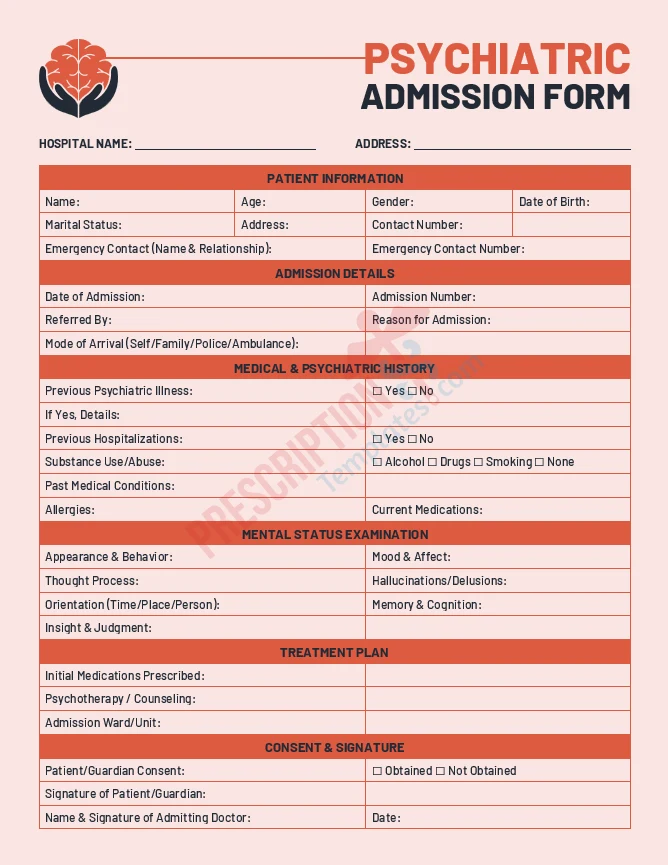

A hospital admission form is an essential medical document used during the patient intake process. It collects important information about the patient, including personal details, medical history, present complaints, vital signs, allergies, insurance details, and consent for treatment. These forms help ensure safe, accurate, and efficient communication between patients, doctors, nurses, and administrative staff.
Hospital admission forms also provide a standardized structure for documenting symptoms, initial diagnosis, and treatment plans — helping healthcare providers deliver effective and consistent care.
Hospital admission forms are crucial because they:
Proper documentation at the time of admission lays the foundation for the entire course of treatment. Using a standardized template reduces delays, miscommunication, and errors.

Although each department may require unique documentation, most hospital admission forms include:
These structured sections allow medical staff to quickly gather a complete snapshot of the patient’s condition.
Using pre-made hospital admission templates offers many advantages:
Healthcare staff can quickly fill out forms without needing to design new documents.
Templates ensure all required fields are included, reducing the risk of missing important information.
All templates are designed to meet clinical documentation standards.
Edit any section to match your hospital’s workflow, branding, policies, or specialty.
Standardized forms help organizations meet medical record-keeping guidelines.
You can download, edit, and print the templates as many times as needed.
These templates are useful for a wide range of healthcare providers and staff, including:
Anyone needing organized, reliable patient intake documentation can use these templates.

Yes. All templates are fully editable, printable, and suitable for hospitals, clinics, and independent healthcare providers.
Yes. All admission form templates on this page are 100% free and can be used for personal or professional purposes.
Absolutely. You can easily add your hospital logo, contact details, and branding elements in Microsoft Word.
Yes. After customizing the template in Word, simply save it as a PDF for digital signing or printing.
Yes. Many students and educators use these templates for case studies, simulations, and clinical documentation practice.
Yes. This collection includes forms for cardiology, neurology, oncology, orthopedics, maternity, pediatrics, trauma, ICU, dialysis, psychiatric care, and more.
These templates are general forms. Hospitals should review and update them according to local healthcare laws, accreditation standards, and organizational policies.
If you need help customizing these forms with your hospital logo, branding, or formatting, feel free to contact us. We’ll guide you step-by-step.
These templates are provided for general informational and educational purposes only. They do not constitute legal or medical advice. Hospitals and healthcare providers should review and customize each form according to their local regulations, accreditation requirements, and organizational policies. By downloading and using these templates, you agree that the website is not liable for any outcome arising from their use.
← Previous Article
Free Medical & Healthcare Letterhead Templates (40 Editable Word DOCX)Next Article →